Can you reseal a resin driveway?
6 min read Resin Revive
Yes, a resin-bound drive can be resealed. Whether it should be depends on one thing: whether the stone is still firmly held. Here is how to tell which side of that line you are on.
Short answer: yes. A resin-bound surface can be resealed, and for the right drive it is one of the better value jobs in driveway maintenance. The catch is in the phrase "the right drive". Resealing does not repair anything. It protects a surface that is still doing its job, and if the surface is not, it is money spent on top of the problem.
What resealing a resin drive actually means
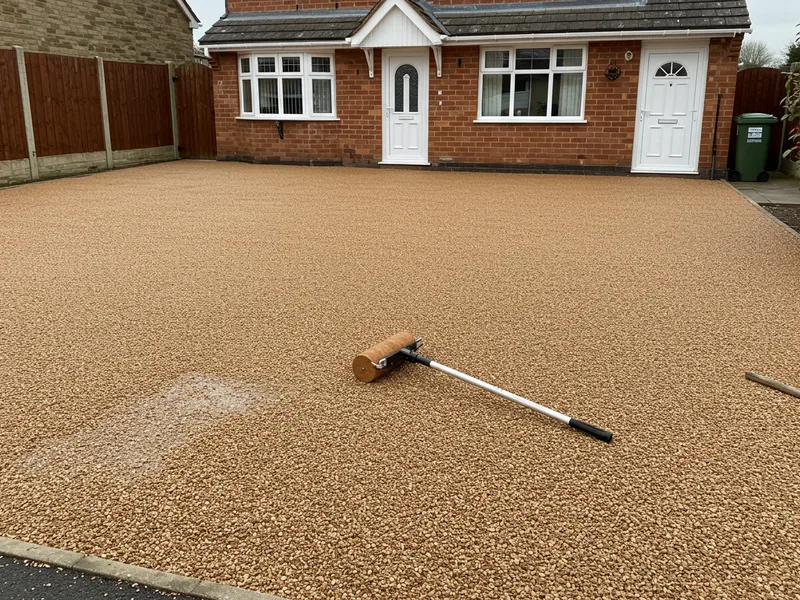
There is no separate "sealer" product that sits apart from the resin in the way a patio sealer sits on top of slabs. On a resin-bound drive, resealing means applying a fresh UV-stable resin layer over the existing surface. It soaks into the texture, re-binds the top of the aggregate, and leaves the surface protected against weather, UV and staining again. That is why you will see it described as resealing, topcoating or recoating depending on who you ask. It is the same job.
The original resin is what holds the stone together. Over the years UV and traffic wear it thin at the top. A new layer replaces what has been lost, which is why it works well while the stone below is still firmly held and does very little if it is not.
When resealing works
- The stone is firmly held. Run a hand across it. A few stones at the edges is normal. A steady scatter coming off in your palm is not.
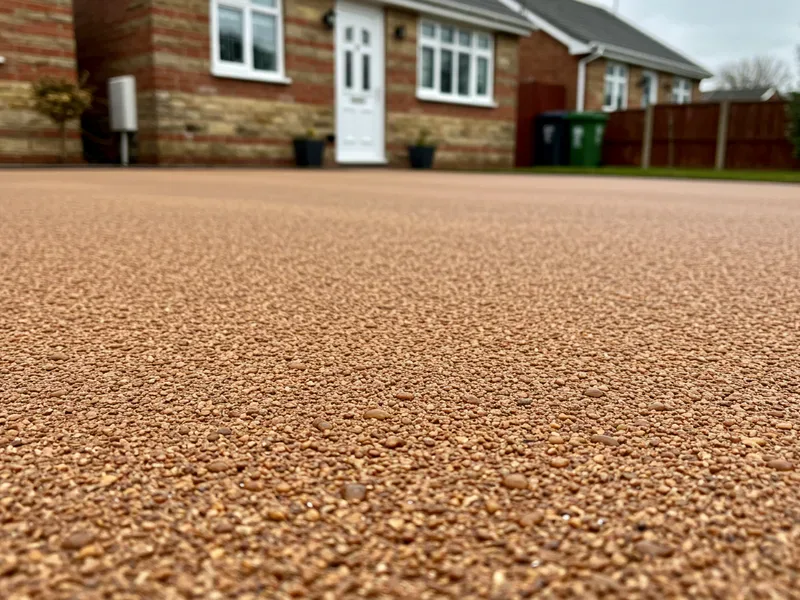
- The colour has flattened but the surface is even. Faded, dull and a little rough is the classic candidate.
- Stains and leaf marks are starting to soak in. The protective layer has thinned, and a fresh one stops that.
- The base is sound. No sunken areas, no cracks that follow a line through the surface, no puddles that have appeared where there were none.
When it does not
Resealing a drive that is shedding stone is the most common waste of money in this business. A new layer cannot grip aggregate that is already working loose, and it bonds poorly to a surface that is dirty or damp. In practice that means three situations where the answer is something else first.
- Loose or missing stone. The damaged areas need making good before anything goes over them. Our post on loose stones on a resin driveway covers what that involves.
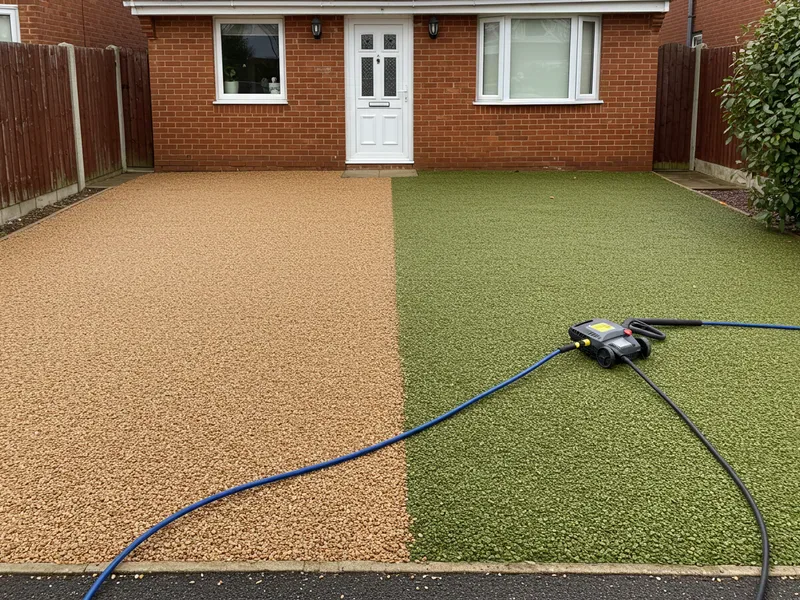
- Growth or dirt still in the surface. Sealing over algae and organic matter locks it in, and it shows through. The drive has to be cleaned and treated first, properly, which is a resin clean done at controlled pressure.
- A damp surface. The resin needs a dry surface to bond to, and dry weather to cure. That is a seasonal limit, not a quality one, and it is why this kind of work is booked around the weather rather than done on the first available day.
Why the cleaning comes first
Most of the visible difference between a tired drive and a restored one comes from the preparation, not the top layer. The surface is cleaned, treated for growth, left to dry and checked for damage. Only then does the new layer go on. Skip any of that and the new resin sits on a layer of dirt that was never going to hold it.
This is also why jet washing a resin drive yourself before "resealing" it is the wrong starting point. A narrow lance or turbo nozzle strips binder from around the stone, and you have then created the loose-stone problem you were trying to avoid. The sequence is covered in our post on how often a resin driveway should be cleaned.
Resealing or recoating: is there a difference?
On a resin-bound drive, no. The terms are used interchangeably, and what you are paying for is the same: clean, treat, repair, then a new UV-stable layer. If you are being quoted for two separate jobs, ask what is actually different between them. How often it needs doing, and the five signs that it is due, is in our post on when to recoat a resin driveway.
Is it worth doing at all?
If the drive is sound, yes. It is a maintenance job, and it costs a fraction of relaying a surface that has been allowed to fail. If it is not sound, the honest answer is to fix what is wrong first and reseal afterwards. Anyone who will seal anything without looking at the stone is not doing you a favour.
Common questions
- Can you reseal a resin bound driveway?
- Yes. Resealing a resin-bound drive means applying a fresh UV-stable resin layer over the existing surface. It works when the stone is still firmly held and the surface is clean and dry.
- Can you seal a resin driveway that is losing stones?
- Not usefully. A new layer cannot grip aggregate that is already working loose. Damaged areas need making good first, and then the whole surface can be resealed.
- Do I need to jet wash it before resealing?
- The surface needs cleaning and treating first, but not with a hand-held jet wash. A narrow lance strips resin from around the stones. Controlled pressure through a rotary head is the safe way to do it.